Emergency Dentist Bakersfield CA: Steps to Take After a Tooth Is Knocked Out
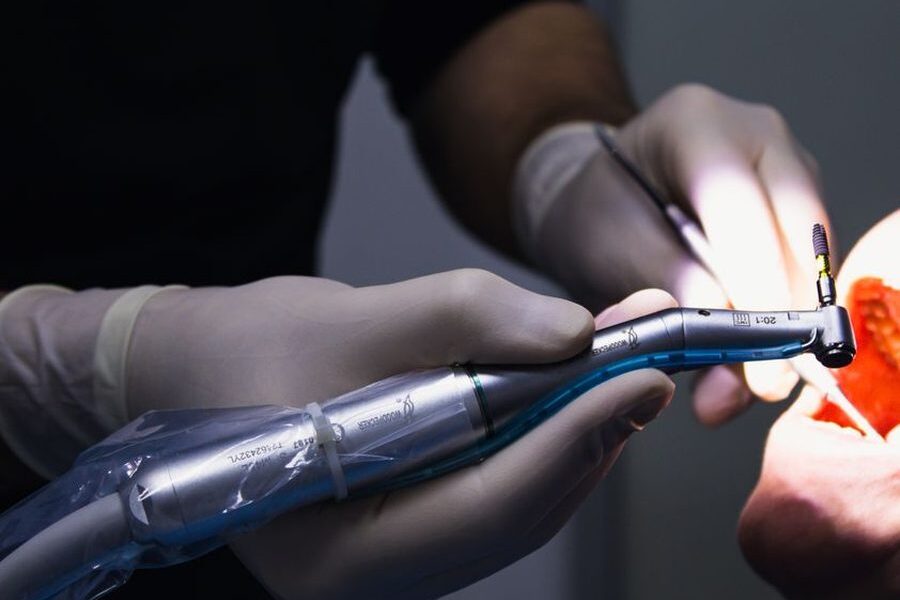
A knocked-out tooth changes the pace of everything in a matter of seconds. One minute you are on a basketball court, at a backyard gathering, or driving home after work. The next, there is blood in the mouth, pain, panic, and a tooth in someone’s hand or on the ground. In that moment, what you do in the first five to thirty minutes can make the difference between saving the tooth and losing it permanently.
Dentists see this kind of injury often enough to know a pattern. https://johnnyjycy833.image-perth.org/emergency-dentist-bakersfield-ca-help-for-knocked-out-teeth The people who have the best chance of saving the tooth are not always the ones with the least severe accident. They are usually the ones who act quickly, handle the tooth correctly, and get to an emergency dentist without wasting time on bad advice from the internet or well-meaning family members. If you are looking for an Emergency Dentist Bakersfield CA residents can call after a dental injury, it helps to understand what matters most before you are in the middle of the crisis.
Why timing matters so much
When a permanent tooth is knocked out completely, dentists call it an avulsed tooth. That sounds clinical, but the biology is simple. The root surface of the tooth is covered with delicate living cells that help it reattach inside the socket. Those cells begin to dry out and die once the tooth is out of the mouth. The longer the root stays dry, the lower the chance of long-term success.
That is why dental offices treat a knocked-out permanent tooth as a true emergency. A same-day appointment is ideal. In many cases, reimplantation within about 30 minutes offers the best odds, although teeth can sometimes still be replanted after a longer period if they have been stored properly. Real life is messy, of course. Traffic in Bakersfield is not always kind, children cry, adults get shaky, and people lose time deciding whether they should go to urgent care, the emergency room, or a dentist. Still, the principle remains the same: move fast, but do the right things.
One important note often gets missed. These instructions apply to permanent teeth, not baby teeth. A baby tooth that gets knocked out is handled differently because putting it back can damage the adult tooth developing underneath. Parents are often surprised by that. Their instinct is to save every tooth at all costs, but pediatric dental trauma follows its own rules.
The first few minutes after the tooth comes out
The scene after a dental injury is rarely calm. A teenager may insist they are fine while blood fills the lower lip. An adult who slips on concrete may feel more embarrassed than hurt at first. In either case, the mouth bleeds easily, and that can make the injury look worse than it is. Try to slow the situation down enough to focus on the key priorities: control bleeding, find the tooth, and protect it from damage.
Here are the immediate steps that matter most:
- Pick up the tooth by the crown only, which is the part you normally see in the mouth. Do not touch or scrub the root.
- If the tooth is dirty, gently rinse it for a few seconds with milk or saline, or clean water if that is all you have. Do not use soap, chemicals, or hot water.
- If the injured person is awake, alert, and able to cooperate, try to place the tooth back into the socket right away and have them bite gently on clean gauze or cloth to hold it in place.
- If the tooth cannot be reinserted, keep it moist in cold milk, saline, or inside the person’s cheek if they are old enough not to swallow it. A tooth preservation kit is excellent if one is available.
- Call an emergency dentist immediately and head to the office without delay.
Those five steps sound straightforward on paper. In practice, people get tripped up on the details. The biggest issue is handling the root. The instinct is to inspect it, wipe dirt off, or wrap it in tissue. That can strip away the very cells the dentist hopes to preserve. Think of the root as fragile living tissue, not as a hard object that needs polishing.
What not to do, because these mistakes cost teeth
Some of the worst outcomes come from well-intentioned mistakes. People want to clean the tooth thoroughly, stop every bit of bleeding before leaving, or wait and see if the pain settles down. That delay can be costly.
The most common errors I have seen after a tooth is knocked out are these:
- Letting the tooth dry out on a counter, in a pocket, or wrapped in paper towel.
- Scrubbing the root with a toothbrush, napkin, or shirt.
- Storing the tooth in plain tap water for a long period.
- Replanting a baby tooth because it “looks like a real tooth.”
- Waiting until the next day to call a dentist because the bleeding slowed down.
Plain tap water deserves a quick explanation. A brief rinse is fine when better options are not available, but storing the tooth in water for an extended time is not ideal because it can damage root surface cells. Milk works better because it is more compatible with those cells and helps keep them viable longer.
Replanting the tooth at home can be the right move
This is the part that surprises many people. If a permanent tooth has been knocked out and the patient is cooperative, placing it back in the socket before you reach the dental office is often the best thing you can do. That does not mean forcing it in at an odd angle or trying to correct severe damage. It means orienting it properly, gently seating it into place, and having the person bite on gauze to stabilize it.
For adults and older children, this can be very effective if done immediately. The socket often guides the tooth back into position. People tend to worry they will make it worse, but if the alternative is leaving the tooth dry for 45 minutes while driving across town, quick reimplantation is usually the better choice. If the tooth will not slide in easily, stop. Do not push hard. Store it properly and head to the dentist.
There is one clear exception worth repeating: do not reinsert a baby tooth. If you are unsure whether the tooth is baby or permanent, let the dentist make that call.
What to do if there is a lot of blood, swelling, or other injuries
A knocked-out tooth does not always happen by itself. Falls, sports injuries, bike crashes, and workplace accidents can also injure the lips, jaw, tongue, or face. If the person lost consciousness, has trouble breathing, seems confused, has heavy bleeding that does not slow with pressure, or may have a broken jaw, seek emergency medical care first. Dental treatment still matters, but airway, head injury, and facial fracture concerns come before the tooth.
For more routine bleeding from the socket or gums, fold clean gauze and have the person bite down with steady pressure. Ten to fifteen minutes of direct pressure usually helps. Ice on the outside of the face can reduce swelling and discomfort. Avoid aspirin if possible right away because it can increase bleeding in some situations. If an adult needs pain relief and has no medical reason to avoid it, acetaminophen or ibuprofen is often used, but follow label directions and use judgment based on the person’s age and health history.
Soft tissue cuts inside the mouth can look dramatic because oral tissues are very vascular. A lip split may need sutures even when the tooth issue is handled well. If the accident involved gravel, dirt, or road debris, mention that to the dentist. Contamination changes how the injury is assessed and may affect recommendations for cleaning and follow-up.
The drive to the dentist matters more than people think
Once the tooth is either replanted or stored in milk, saline, or a tooth preservation solution, the next challenge is getting to care quickly and safely. This is where good decisions can shave off ten or twenty critical minutes. Call the dental office while someone else drives if possible. Say clearly that a permanent tooth has been knocked out. That phrase usually moves the case up the urgency ladder.
If you are in Bakersfield, traffic patterns, distance from the office, and time of day can all affect how fast you arrive. I have seen families lose valuable time stopping at home first, changing clothes, or calling three different offices for price information while the tooth sits in a dry napkin. Worry about logistics later. The best Emergency Dentist Bakersfield CA patients can reach is the one prepared to see a true trauma case now.
If the injury happens after hours, many offices have emergency lines or recorded instructions. If no dentist is available immediately, an emergency room can help with pain control, bleeding, and facial injuries, but hospital physicians typically do not provide definitive reimplantation and splinting the way a dentist does. The ideal route is a dentist with emergency availability and experience in trauma management.
What the emergency dentist will likely do
People often imagine the dentist will simply “put the tooth back in” and the problem is solved. Sometimes it goes smoothly, but dental trauma care is usually more involved than that. The emergency visit begins with an examination, x-rays, and assessment of the socket, the tooth, and nearby teeth. Teeth next to the injury may be loosened, fractured, or displaced even if they appear intact.
If the tooth is out of the mouth and still viable, the dentist may clean the socket gently and reimplant the tooth. If you already placed it back, they will check positioning and stability. In most cases the tooth is then splinted to neighboring teeth with a flexible material for a period of time, often around two weeks, though timing can vary depending on the injury. A flexible splint supports healing while allowing slight physiologic movement.
The dentist will also assess tetanus status if the tooth hit dirt or the injury was contaminated, and they may prescribe antibiotics in certain cases. Bite alignment matters too. A tooth that looks fine to the eye can be slightly high in the bite, which creates pressure and pain and interferes with healing.
Patients are sometimes surprised when the dentist starts talking about root canal treatment. That is because many replanted teeth, especially in adults with fully formed roots, eventually need it. Saving the tooth and keeping the bone and gum architecture intact is still valuable, even if follow-up treatment is required. Trauma dentistry is not always about a one-visit fix. It is often about preserving the best long-term outcome from a bad event.
The reality of prognosis
People want certainty after an accident. They ask the question every dentist hears: “Will the tooth be okay?” Honest dentistry does not overpromise. The answer depends on several variables, especially how long the tooth was out, whether it dried out, the stage of root development, the condition of the socket, and whether there are associated fractures.
A tooth replanted within minutes and kept moist has a much better outlook than a tooth found 90 minutes later in a parking lot. Younger patients with immature roots sometimes have a better chance of healing in certain respects, but trauma cases are individualized. Even when the tooth cannot be saved forever, immediate reimplantation can preserve bone and buy time, which matters for future treatment options. That can make later orthodontics, implants, or other restorative care far easier and more predictable.
This is one of the more nuanced parts of emergency dental care. “Success” does not always mean the tooth lasts unchanged for decades. Sometimes success means keeping the tooth functional for years during a child’s growth. Sometimes it means preserving ridge shape and soft tissue so a future implant looks natural. The best dentists explain that distinction early, because it helps families make decisions without false hope or unnecessary fear.
Caring for the tooth after the emergency visit
The first appointment is only the beginning. Once the tooth is replanted and stabilized, aftercare becomes essential. Most patients are told to eat a soft diet for a period of time, avoid biting into hard foods with the injured area, and keep the mouth very clean. Gentle brushing and antimicrobial rinses may be recommended depending on the case.
Pain is usually manageable but not trivial. The socket, gums, and surrounding bone have been traumatized, and nearby teeth may ache even if they survived the impact. It is common for patients to feel sore when speaking, chewing, or trying to sleep the first night. A little mobility can also be normal early on, especially before the splint is removed. That does not necessarily mean failure.
Follow-up visits are where the dentist watches for complications. Color changes, loss of vitality in adjacent teeth, root resorption, ankylosis, infection, and changes in bone support can unfold over weeks or months. This is why trauma patients should not disappear after the emergency. A tooth that looks stable at day three can still develop problems later.
When the knocked-out tooth is a baby tooth
Parents deserve a separate word on this because fear makes every situation feel urgent. If a young child knocks out a baby tooth, do not try to put it back. Call a dentist promptly, but the immediate goal is comfort, bleeding control, and evaluation for additional injuries. Children often bite the lip or injure the gum heavily during falls. The dentist will check whether any tooth fragments remain, whether nearby teeth are intruded or loosened, and whether the developing permanent tooth could be affected.
The loss of a baby front tooth may look alarming, but it is often managed conservatively. Space loss is usually not a major issue for front baby teeth, though appearance and speech can concern parents. The more important question is whether the accident injured the underlying permanent tooth bud or the supporting bone. A calm exam and appropriate follow-up matter more than attempts at home replacement.
Sports, falls, and the Bakersfield factor
Knocked-out teeth are not rare in active communities. Youth sports, skateboarding, cycling, off-road recreation, and simple slips around pools or patios all generate dental trauma. In a place like Bakersfield, where outdoor activity is common for much of the year, dental emergencies often happen away from home. The tooth ends up on grass, concrete, court flooring, or dirt. That makes contamination more likely and storage more improvised.
This is one reason I often recommend that families with active children keep a small dental emergency kit in the car or sports bag. It does not need to be elaborate. Gauze, a clean container, and a tooth preservation solution if you can find one are enough to make a meaningful difference. Even a fresh container and access to milk at a nearby store is better than letting the tooth dry out while everyone argues over what to do.
Mouthguards also deserve more respect than they usually get. Store-bought guards are better than nothing. Custom guards from a dentist generally fit better, interfere less with breathing and speaking, and are much more likely to be worn consistently. That matters because the best trauma treatment is the one you never need.
A brief word on children, teenagers, and panic
Adults are not always the calm ones. I have seen stoic children and rattled parents more times than I can count. Teenagers may underreact out of embarrassment, especially if the injury happened in front of peers. They may say, “It’s just a chip,” while holding a full avulsion in a tissue. Small children may cry so hard that nobody can tell whether there is one missing tooth or two.
That is why the adult at the scene needs a simple mental script. Is this a baby tooth or a permanent tooth? Where is the tooth now? Is it being held by the crown only? Is it back in the socket or stored in milk? Has the dentist been called? Those few questions cut through the noise.
How to choose the right emergency help fast
Not every office handles trauma with the same urgency or experience. When calling, be direct. Say the patient has a permanent tooth that has been knocked out completely. Ask whether the office can see the patient immediately. Mention any extra concerns such as a possible jaw injury, broken teeth, or deep lip laceration.
A true Emergency Dentist Bakersfield CA patients rely on should be prepared to triage quickly, provide same-day assessment, and coordinate care if specialists are needed. Some cases require referral to an endodontist, oral surgeon, or pediatric dentist after the immediate emergency is stabilized. That is normal. The key is prompt first-line care, not a promise that every step will happen under one roof.
The plain truth after a tooth is knocked out
A knocked-out tooth is one of the few dental emergencies where ordinary people can make a major difference before the patient ever reaches the chair. Find the tooth. Touch only the crown. Rinse gently if needed. Reinsert it if it is a permanent tooth and the person can safely tolerate it. If not, keep it moist in milk or saline. Then get to a dentist fast.
Those steps are not complicated, but they are time-sensitive and unforgiving. Minutes count. Good handling counts. Fast professional care counts. If you remember those three things, you give that tooth its best shot.
Smyle Dental Bakersfield
2016 E St, Bakersfield, CA 93301, United States
+16614939040
FAQ About Emergency Dentist Bakersfield CA
What counts as a dental emergency?
Severe tooth pain, facial swelling, uncontrolled bleeding, a knocked-out or displaced tooth, and significant dental trauma may need prompt assessment. Trouble breathing or rapidly increasing swelling requires urgent medical help.
What should I do if a permanent tooth is knocked out?
Handle the tooth by the crown rather than the root, keep it moist, and contact a dentist immediately. Fast treatment can improve the chance of saving the tooth.
Can an emergency dentist treat severe tooth pain the same day?
Same-day care may be available depending on the cause and schedule. The dentist will examine the area, may take digital X-rays, and recommend treatment based on the diagnosis.
Should I go to the emergency room for dental swelling?
Seek urgent medical care for trouble breathing, difficulty swallowing, rapidly spreading facial swelling, or other severe symptoms. A dentist can assess the underlying dental cause and provide appropriate follow-up care.