How Regular Visits to a General Dentist in Santa Clarita CA Benefit You
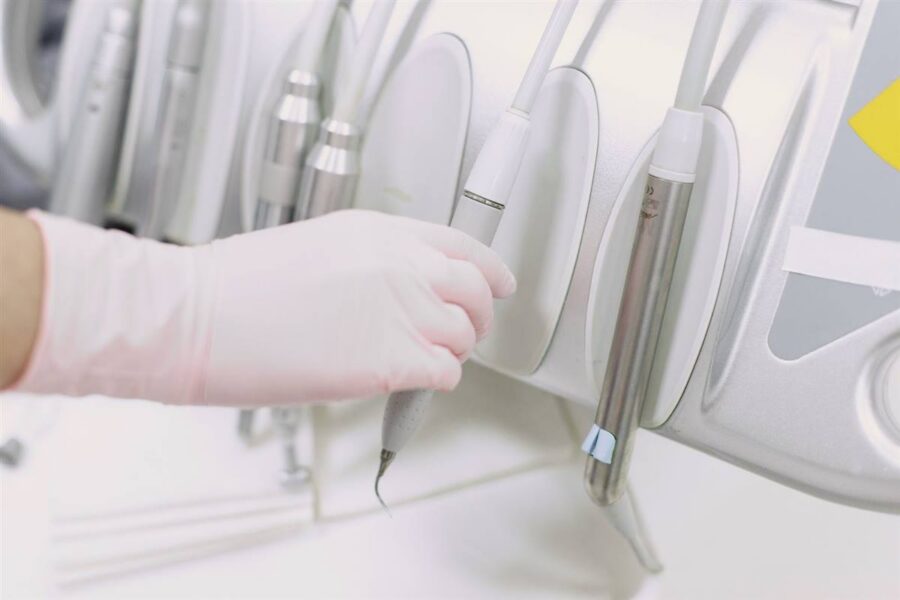
Most people do not think much about dentistry when nothing hurts. That is understandable. If your teeth look fine in the mirror, if you can chew dinner without trouble, and if you are not waking up with jaw pain, it is easy to assume everything is in good shape. In practice, oral health rarely works that way. The patients who keep their teeth stable, their gums healthy, and their treatment costs under control are often the ones who come in regularly, long before a small issue has a chance to become a disruptive one.
That is the real value of seeing a general dentist on a consistent schedule. Regular visits are not just about having your teeth cleaned. They are about pattern recognition, prevention, and timing. A good dentist notices subtle changes over months and years, not only obvious problems on the day of an emergency. For families in this area, a trusted general dentist Santa Clarita CA can become one of the most practical healthcare relationships to maintain, because oral health affects comfort, confidence, nutrition, and long-term expense more than many people expect.
Small problems stay small
The biggest benefit of regular dental visits is also the simplest. Tiny concerns can be identified and treated while they are still easy to manage.
A cavity, for example, does not usually announce itself early. You may not feel anything at all while decay is limited to the outer tooth structure. By the time cold drinks sting or chewing becomes sensitive, the cavity may already be deeper than it was a few months earlier. A small filling is straightforward. A large filling is more fragile. Once decay reaches the nerve, the conversation changes completely and may involve root canal treatment, a crown, or even extraction if the tooth cannot be saved predictably.
The same pattern shows up with cracked fillings, worn enamel, early gum inflammation, and clenching damage. These issues tend to develop quietly. During a routine visit, a dentist can spot the beginning of a problem and address it before it turns into a painful interruption to your week. That matters in any city, but especially for working adults and busy parents who do not have much flexibility for urgent appointments.
I have seen this play out many times in dental settings. One patient comes in every six months, and a slightly failing filling is replaced before it breaks. Another waits until a corner of the tooth snaps off while eating lunch. The final repair for the second patient often costs more, takes more chair time, and removes more natural tooth structure. The difference is not luck. It is timing.
Professional cleanings do more than polishing
A lot of people reduce cleanings to cosmetics, as though the appointment is mainly for brighter teeth and fresher breath. Those benefits are real, but they are not the main reason cleanings matter.
Even patients who brush well at home miss certain areas consistently. The lower front teeth, the grooves around back molars, and spots near the gumline tend to collect plaque that hardens into tartar. Once tartar forms, normal brushing will not remove it. It has to be professionally scaled away. If it remains in place, it creates a rough surface where more plaque gathers, which increases the risk of gum inflammation and bleeding.
This matters because gum disease often progresses gradually. Early gingivitis may show up as slight bleeding when you floss, mild puffiness, or tenderness you barely notice. Left alone, inflammation can progress deeper into the supporting tissues and bone. At that stage, treatment gets more involved, and the damage becomes harder to reverse. Regular hygiene appointments interrupt that process. They also give your dentist and hygienist a chance to measure the health of your gums over time instead of guessing based on a single visit.
Cleanings also create a useful reset. Patients often brush better for weeks after an appointment because they can feel the difference. Smooth tooth surfaces, less tartar, and a fresh review of home care techniques make daily maintenance easier. That is not a small thing. Dentistry is cumulative. Consistent small habits and periodic professional care usually beat heroic efforts made only after a problem appears.
X-rays and exams catch what the mirror cannot
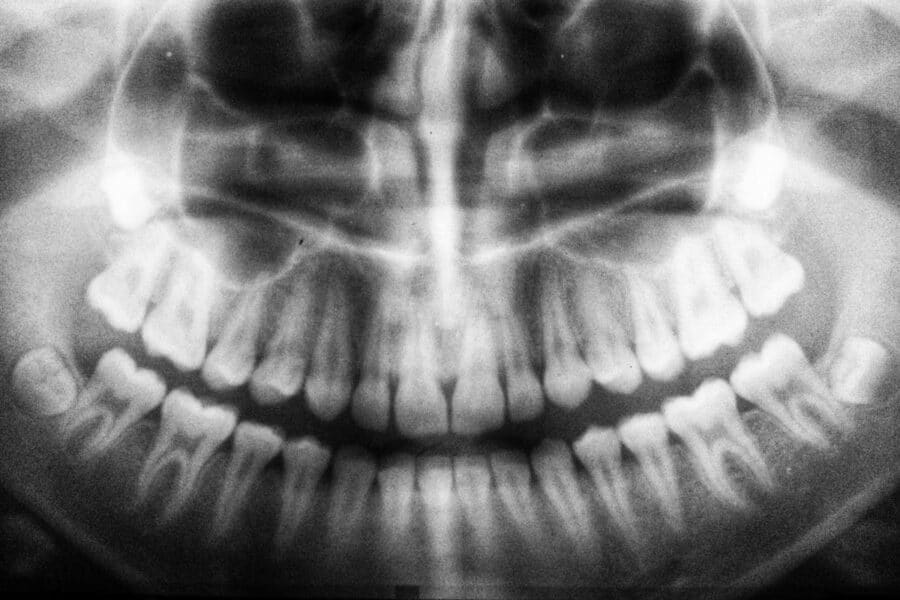
Many important dental issues begin in places you cannot see. Cavities between teeth, bone loss below the gums, infections at the tip of a root, and developmental changes around wisdom teeth often remain invisible during normal daily life. Even a very attentive patient cannot monitor those areas without professional imaging and an exam.
This is where regular visits earn their keep. Diagnostic images are not taken just to fill time. They help the dental team compare the present to the past. A shadow between two teeth may be nothing one year and clearly active decay the next. A mild change around a root may simply be watched, while another change may call for prompt treatment. The value lies in context and follow-up.
A thorough exam can also reveal patterns unrelated to cavities. Some patients show signs of grinding, such as flattened biting surfaces, tiny fractures, or tenderness in the jaw muscles. Others have recession developing around certain teeth because of aggressive brushing or bite forces. Some have dry mouth related to medication use, which raises cavity risk dramatically. Those are not details most people detect on their own, yet they strongly affect the health of the mouth.
When you visit a general dentist Santa Clarita CA regularly, that dentist gains a baseline. Baselines matter. It is much easier to judge whether a condition is stable, worsening, or improving when the same office has been tracking it over time.
Your mouth often reflects broader health patterns
Dentistry does not exist in a silo. The condition of your mouth can be influenced by diabetes, autoimmune disorders, medication side effects, sleep issues, and changes in diet or stress. Regular checkups create opportunities to notice those connections early.
For example, a patient with consistently inflamed gums despite decent hygiene may need a closer look at blood sugar control or medication changes. Someone with severe enamel wear may not just be brushing too hard, but grinding heavily during sleep or dealing with acid exposure from reflux. A chronically dry mouth can be more than a nuisance. It can lead to rapid decay because saliva plays a major role in buffering acids and protecting enamel.
Oral cancer screenings are another important part of routine dental visits. Dentists check the soft tissues of the mouth, tongue, cheeks, and surrounding structures for anything unusual. Most findings are benign, but the point of screening is not to assume the worst. It is to avoid missing something that should be evaluated early. In healthcare, early evaluation is usually preferable to delayed surprise.
These broader health links are one reason general dentistry remains so important. It is not merely mechanical repair. A skilled general dentist pays attention to the whole picture and notices patterns that can help patients seek timely care.
Children and teens benefit in ways adults sometimes overlook
Parents often understand that children need dental visits, but they sometimes underestimate how much guidance happens during routine appointments. Kids are not just getting a quick cleaning and sticker. Their growth, habits, and risk patterns are being monitored during years when change happens fast.
A child’s appointment can reveal whether brushing technique needs work, whether cavity-prone grooves may benefit from sealants, or whether crowding and bite development suggest an orthodontic evaluation later on. Thumb sucking, mouth breathing, sports injuries, and sugary snacking habits all affect oral health differently depending on the child. A regular dental home gives parents practical advice at the stage when it can still make a real difference.
Teenagers present their own set of challenges. Orthodontic appliances make hygiene harder. Sports increase the importance of mouthguards. Late-night snacking, energy drinks, and irregular routines can all show up in the mouth. Regular visits help catch the results before they become major treatment projects in early adulthood.
There is also a psychological benefit. Children who grow up with normal, routine dental care are often less fearful of the dentist as adults. They associate appointments with maintenance rather than pain. That may sound intangible, but anyone who has postponed care for years because of anxiety knows how much that matters.
Regular care usually lowers total cost over time
People often postpone dental visits to save money, especially if nothing seems wrong. The short-term logic is clear, but over the long run it frequently backfires.
Preventive visits are usually the least expensive part of dental care. They tend to involve exams, cleanings, routine images when appropriate, and modest early interventions. Restorative and emergency care is where costs rise. A small area of decay can become a larger filling, then a crown, then a root canal and crown, then an extraction and replacement decision. Every stage generally becomes more complex and more expensive than the one before it.
There is also the indirect cost of delay. A toothache can disrupt sleep. A broken front tooth can derail work meetings or social plans. Jaw pain can make eating uncomfortable for weeks. Time away from work, childcare logistics, and last-minute scheduling all add their own price.
That does not mean every regular visitor avoids major treatment forever. Some people have old dental work that eventually needs replacement no matter how responsible they are. Others have genetic factors, grinding habits, or medical conditions that raise their risk. Still, consistent care tends to improve the odds of earlier, simpler, less costly treatment decisions.
You build a relationship that improves decision-making
There is a practical comfort in seeing the same dental team over time. Trust grows. Communication gets easier. Decisions become less stressful because the dentist knows your history, your tolerance for certain procedures, your goals, and your past experiences.
That relationship matters most when choices are not black and white. Not every cracked tooth needs the same treatment. Not every old filling should be replaced immediately. Not every cosmetic concern deserves aggressive intervention. Good dentistry often involves judgment. A dentist who has followed your case over several years can explain what is changing, what can be monitored, and what should be addressed now.
Patients also become better advocates for themselves when they feel comfortable asking questions. They are more likely to mention sensitivity that comes and goes, headaches on waking, bleeding when flossing, or concerns about appearance. Those details may seem minor, but they often shape the most appropriate treatment plan.
From the patient side, familiarity reduces friction. You know where to park, how scheduling works, what your insurance usually covers, and who to call if something feels off. In a place like Santa Clarita, where many households juggle work, school, and commuting, that kind of continuity makes keeping up with care much more realistic.
Preventive advice becomes more personalized
Generic oral health advice has limited value. Most adults already know they should brush twice a day and floss more often. The challenge is not lack of slogans. It is figuring out what your specific mouth needs.
One person has deep grooves in the molars and benefits from fluoride and sealants. Another has recession and should switch to a softer brushing technique. Another is doing almost everything right but sipping acidic drinks throughout the day, which keeps enamel under constant stress. Yet another has excellent teeth but signs of nighttime grinding and would likely benefit from a night guard before fractures start.
During regular visits, the advice becomes tailored. That is where dentistry becomes genuinely useful. Instead of hearing the same generic script, you get feedback based on your bite, your gums, your restorations, and your habits. Small adjustments made consistently can prevent years of wear and damage.
A common example is home whitening or abrasive toothpaste use. Some patients overdo both in pursuit of a brighter smile, then wonder why their teeth feel sensitive. Others avoid flossing because it hurts, not realizing the discomfort is a sign of inflammation rather than a reason to stop. A dentist or hygienist can correct those misunderstandings quickly, but only if the patient is seen often enough for the conversation to happen.
Dental anxiety often improves with routine exposure
For anxious patients, the idea of more frequent visits may sound backward. Yet regular care is often one of the best ways to reduce dental fear.
Long gaps between appointments allow uncertainty to grow. Patients worry about being judged, brace for bad news, and imagine painful treatment before anyone has even examined them. When they finally come in, the appointment may indeed be more complicated because the problem has had time to worsen. That reinforces the fear.
Routine visits tend to break that cycle. The appointments are shorter, the findings are often smaller, and the patient becomes familiar with the environment in low-stress circumstances. Over time, ordinary maintenance replaces dread. Many anxious adults can trace their improvement to a simple shift, coming in before something hurts rather than after.
Dentists who regularly care for anxious patients often adjust their approach in practical ways. They explain each step clearly, schedule extra time, use numbing thoughtfully, and work at a pace the patient can tolerate. Those strategies are easier to implement well when the relationship is ongoing rather than starting in the middle of an emergency.
Cosmetic benefits are real, even when health is the main goal
People sometimes feel guilty mentioning appearance in a dental conversation, as though cosmetic concerns are shallow. They are not. Your smile affects how you speak, laugh, and interact with others. Regular dental visits support appearance in grounded, sensible ways.
Professional cleanings remove stain buildup that home care cannot fully handle. Minor chips, worn edges, and old visible fillings can be identified before they become more noticeable. Gum inflammation that makes the smile look puffy or uneven can be treated early. Patients also get a clearer sense of which cosmetic concerns are simple to improve and which are better left alone.
The important point is restraint. Ethical general dentists do not push cosmetic work where it is unnecessary. Sometimes the best aesthetic outcome comes from preserving healthy natural teeth, replacing only what has failed, and maintaining clean, healthy gums. A patient who keeps up with routine care often has more conservative cosmetic options available because less damage has accumulated.
The right visit interval is not identical for everyone
Although six-month visits are common, not every patient fits the same schedule forever. That is one of the nuances people appreciate once they establish care with a dependable office.
Someone with excellent home care, low cavity risk, and stable gums may do well with standard preventive visits. Another patient with a history of gum disease, heavy tartar buildup, smoking history, dry mouth, or frequent decay may need more frequent hygiene appointments. A person undergoing extensive restorative work may temporarily need closer follow-up, then return to a regular cadence once things stabilize.
That flexibility is a sign of thoughtful care, not inconsistency. Good dentistry is individualized. The point is not to force every patient https://eduardoibim934.fotosdefrases.com/general-dentist-santa-clarita-ca-ways-to-improve-your-smile-naturally into the same calendar pattern. It is to find a rhythm that matches the actual risk in the mouth.
If you are looking for a general dentist Santa Clarita CA residents can rely on over time, it helps to choose an office that explains the reasoning behind timing and treatment. Patients usually respond well when they understand not just what is recommended, but why it fits their specific situation.
What regular visits protect that people value most
When patients talk about why they are glad they kept up with care, they rarely say, “I am happy I attended my hygiene appointment.” They talk about outcomes. They kept a tooth that might have been lost. They avoided pain during a busy season. Their child grew up without major cavities. They felt comfortable smiling in photos. They were able to eat normally, speak confidently, and stop worrying that a hidden issue was getting worse.
Those benefits are easy to overlook because preventive care is, by nature, quiet. Its success often looks like nothing dramatic happening. No swelling, no cracked molar during vacation, no sudden estimate for extensive treatment, no embarrassment over persistent bad breath or visible buildup. Stability is not flashy, but it is valuable.
A healthy mouth supports daily life in dozens of small ways. You chew without thinking about it. You drink something cold without bracing for pain. You laugh without covering your teeth. You make it through stressful periods without a dental emergency adding one more problem. Regular visits help protect that ordinary ease.
For most people, that is the strongest reason to stay consistent. Dentistry works best when it is part of routine healthcare, not a rescue service used only when something has already gone wrong. A trusted general dentist provides far more than clean teeth. They help preserve function, comfort, and confidence, often with simple, timely care that prevents much larger problems down the road.
Smyle Dental Newhall
Address: 23754 Newhall Ave, Santa Clarita, CA 91321
Phone number: +16612559200
FAQ About General dentist Santa Clarita CA
What does it mean by general dentist?
A general dentist is your primary dental care provider. They focus on the overall prevention, diagnosis, and treatment of your daily oral health needs. Think of them as your primary care doctor, but for your teeth and gums.
What is the difference between a dentist and a general dentist?
A dentist is a broad professional title for any licensed oral healthcare provider, while a general dentist is a specific type of primary care dentist who focuses on routine, preventive, and everyday treatments.
What is the difference between a dentistry practitioner and a dentist?
A dentist is a licensed doctoral-level healthcare professional, whereas a dental practitioner is a broader umbrella term that can include dentists as well as other trained oral health professionals.